
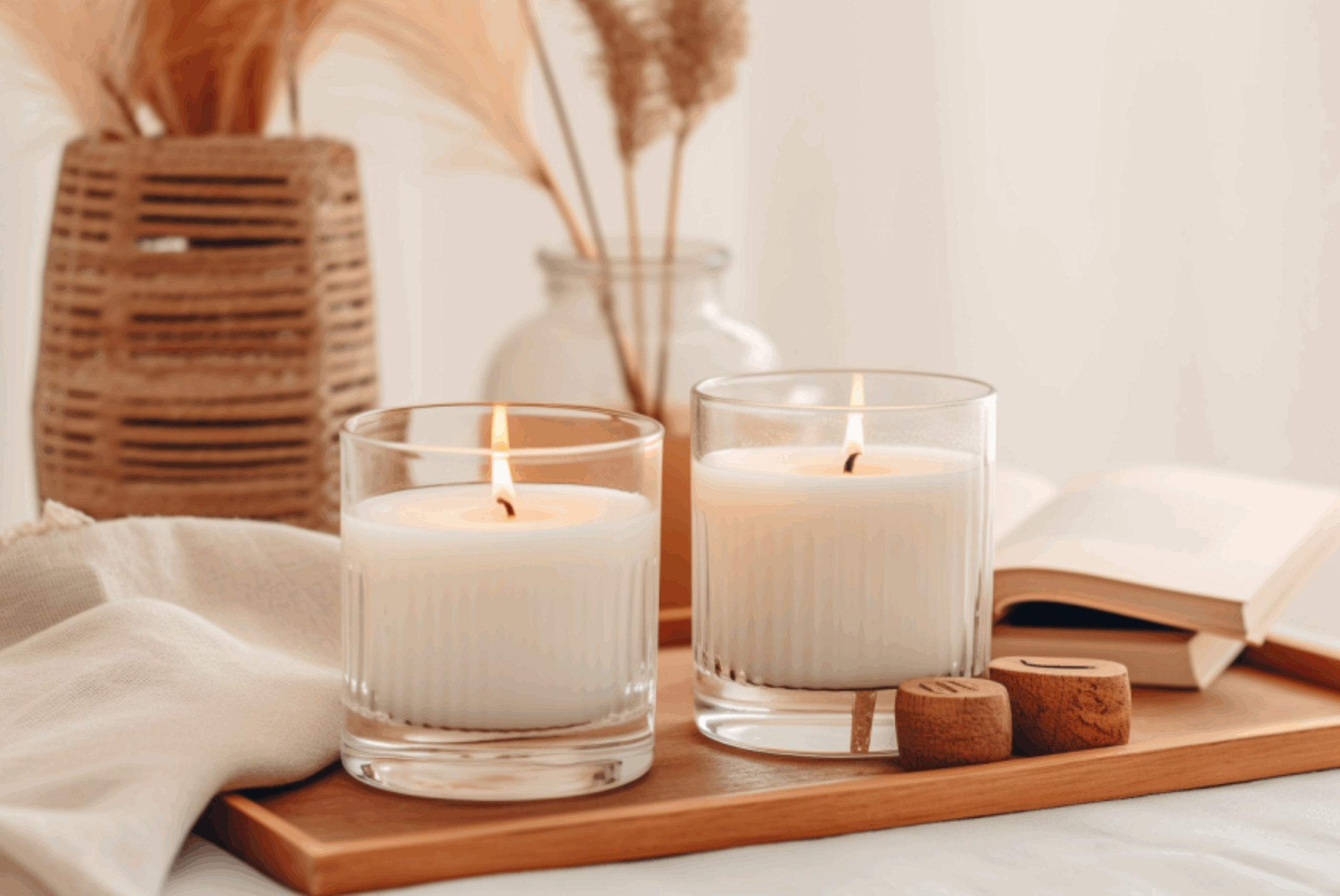
I literally LOVE, LOVE, LOVE candles. They set the mood, give warmth on a cold day and in general just bring a small, (maybe weird) amount of joy to the day-to-day life. However, I recently learned that some candles are extremely toxic and I want to share with you guys what to avoid, and what to buy, to ensure your health is always top of mind.
Just think about it, have you ever walked past a candle store or into one and the overwhelming scent literally made your head start to hurt? I know I have and trust me, that’s not healthy.
What Makes Candles Toxic?
Here are the main culprits hidden in most store-bought and mass produced candles:
- Paraffin Wax
- Derived from petroleum (a by-product of crude oil).
- When burned, paraffin releases toxic compounds like toluene and benzene, both linked to cancer and respiratory irritation.
- Synthetic Fragrance
- “Fragrance” on a label can be a cocktail of hundreds of undisclosed chemicals. Many contain phthalates, which are endocrine disruptors known to interfere with hormones and fertility.
- Can also trigger migraines, allergies, or asthma flare-ups. (Think about a time when u blew out a candle because the scent was “too strong”, it’s more because your body is sending you a sign this isn’t good for you.)
- Artificial Dyes & Stabilizers
- Additives used for bright colors or to make the candle last longer often contain toxic chemicals that trigger the same problems as the fragrance. (Most organic candles aren’t going to be hot pink, if a color isn’t natural looking, it likely isn’t safe.)
What Toxic Candles Do to Your Health
Lighting a paraffin candle every now and then won’t immediately make you sick, but constant exposure, especially in small, poorly ventilated spaces, can affect your body in subtle ways and cause long term effects:
- Respiratory Irritation: Chronic coughing, wheezing, or asthma triggers.
- Hormone Disruption: Potentially affecting fertility, menstrual cycles, or thyroid function.
- Headaches & Migraines: Synthetic scents are common migraine triggers.
- Sleep & Mood Disruption: Chemicals in fake “fragrance” may interfere with melatonin production and stress response.
- Toxin Buildup: Regular use can contribute to a toxic load in the body, adding stress to your liver and detox systems.
What to Buy Instead
The good news? You don’t have to give up candles to keep your home healthy. Instead, look for candles made with clean, non-toxic ingredients:
- 100% Beeswax
- Burns longer and cleaner, even purifying the air by releasing negative ions.
- Naturally honey-scented — no need for synthetic fragrance.
- Coconut Wax or Soy Wax (Non-GMO)
- Plant-based and cleaner burning than paraffin.
- Make sure they’re 100% soy or coconut wax (not blended with paraffin).
- Essential Oil Scents
- Look for candles scented with pure essential oils instead of “fragrance.”
- Not only non-toxic, but can also provide aromatherapy benefits like stress relief or better focus.
- Cotton or Wood Wicks
- Ensure the wick is 100% cotton or sustainably sourced wood (no metal core).
5 Clean Candles to Try
Here are some non-toxic, wellness-friendly candles that won’t compromise your air quality:

1. Craft & Kin Naturally Scented
Great non-toxic candle brand. 100% Natural Soy, made with essential oils, and 100% cotton wick.

2. Root Candles
Non-toxic, 12-Ounce candle with up to a 50-hour burn time

3. Natural Beeswax Pillar Candles
Set of 4. Most basic, organic beeswax candles, with a subtle sweet scent.

4. Putart Natural Soy Candles
Crafted with premium essential oils, delivering a rich yet never overpowering aroma. Always non-toxic.

4. M&SENSE Non-Toxic Candles
Huge variety of non-toxic candles. Housed in premium crystal glass, candle jars to bring vintage-inspired charm.
This post contains affiliate links, which means I may earn a small commission at no extra cost to you. I only recommend products I truly love and trust.